
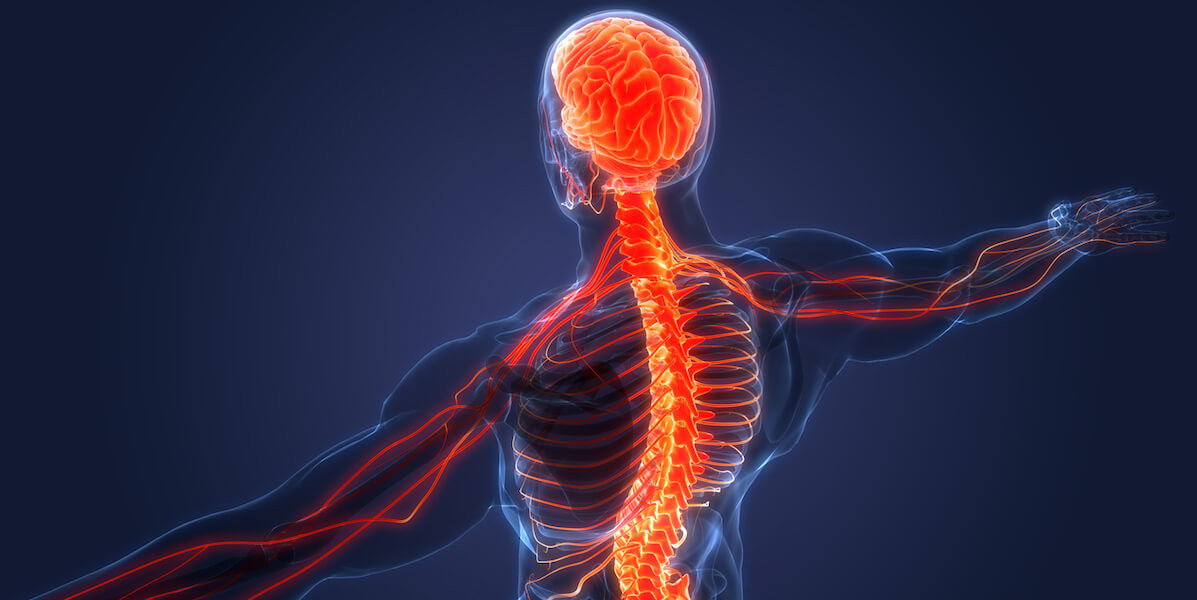
This course covers the structure, function, and organization of the nervous system, with emphasis on the central and peripheral nervous systems. It includes the basic principles of neuroanatomy, neurophysiology, and neurohistology, alongside clinical correlations relevant to neurological disorders.
Key topics include neurons and glial cells, synaptic transmission, sensory and motor pathways, reflexes, autonomic nervous system, and higher cortical functions. The course is designed in a high-yield, exam-oriented format, using clear summaries and practice questions to enhance understanding, support integration of concepts, and aid preparation for module exams, practicals, and clinical assessments.
- Teacher: Admin Administrator

The course is structured in a clinically oriented, exam-focused format, integrating concise summaries and high-yield practice questions to support preparation for module exams, OSCEs, and clinical assessments, while building a solid foundation for safe pediatric practice.
- Teacher: Admin Administrator

This course addresses the core principles of medical professionalism, focusing on the attitudes, behaviors, and ethical standards required of future physicians. It covers key concepts such as medical ethics, patient rights, confidentiality, informed consent, communication skills, teamwork, and professionalism in clinical practice.
The course emphasizes real-life clinical scenarios, ethical decision-making, and responsible professional conduct. Content is presented in a clear, practical, and exam-oriented format, with concise summaries and practice questions to help students prepare for assessments and professional evaluations, while fostering lifelong professional values in medical practice.
- Teacher: Admin Administrator